Low-Sulfite Wines: What You Need to Know About Natural, Additive-Free Wine
What Are Low-Sulfite Wines?
There's wine that hides what it is, and wine that shows you everything.
Low-sulfite wines belong to the second category. These are bottles made with minimal to no added sulfur dioxide—typically 5-40 parts per million, compared with the 350 ppm allowed in conventional wines. Instead of relying on chemical additives to maintain stability, these natural, organically produced wines ask for something more: patience, attention, and grapes good enough to speak for themselves.
When you see "no added sulfites" on a label, it means the winemaker trusted the fruit, the fermentation, and that time would do what additives try to shortcut.
All wines contain trace amounts of naturally occurring sulfites—a byproduct of fermentation itself. But low-sulfite wines keep these levels minimal through organic farming, natural fermentation, and meticulous cellar work that can't be rushed.
The result? Clean, additive-free wine that tastes more vibrant, more alive, more true to the vineyard it came from.
Why Choose Organic Wine Without Sulfites?
The Case for Clean Wine
Conventional winemaking allows over 60 legal additives—from sulfites to artificial yeasts, enzymes, tartaric acid, and fining agents most drinkers have never heard of. The industry doesn't require disclosure. You could be drinking a chemistry experiment and never know it.
Low-sulfite, natural wines reject this approach. Not because it's trendy, but because it's honest.
Here's what sets organically produced, low-sulfite wines apart:
Organic or Sustainable Vineyard Practices
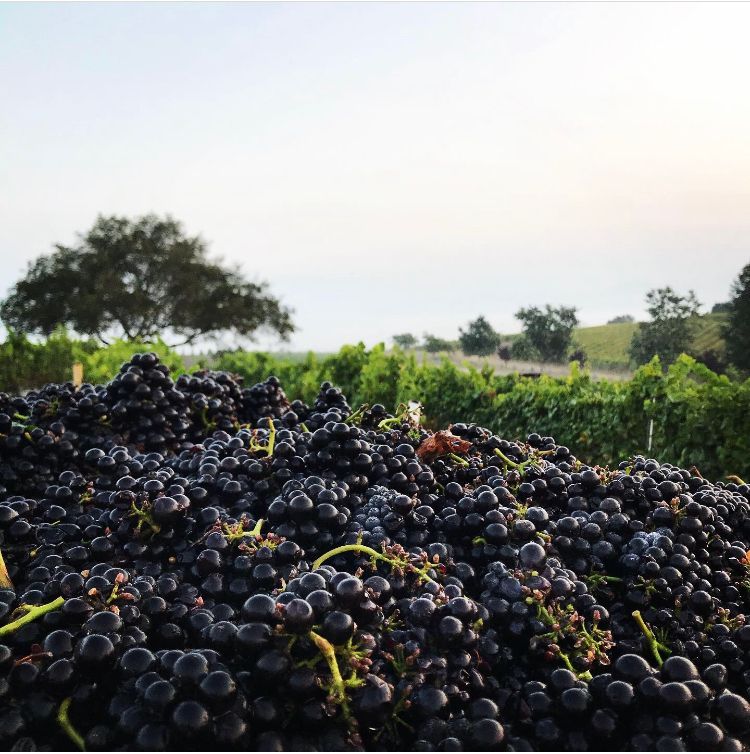
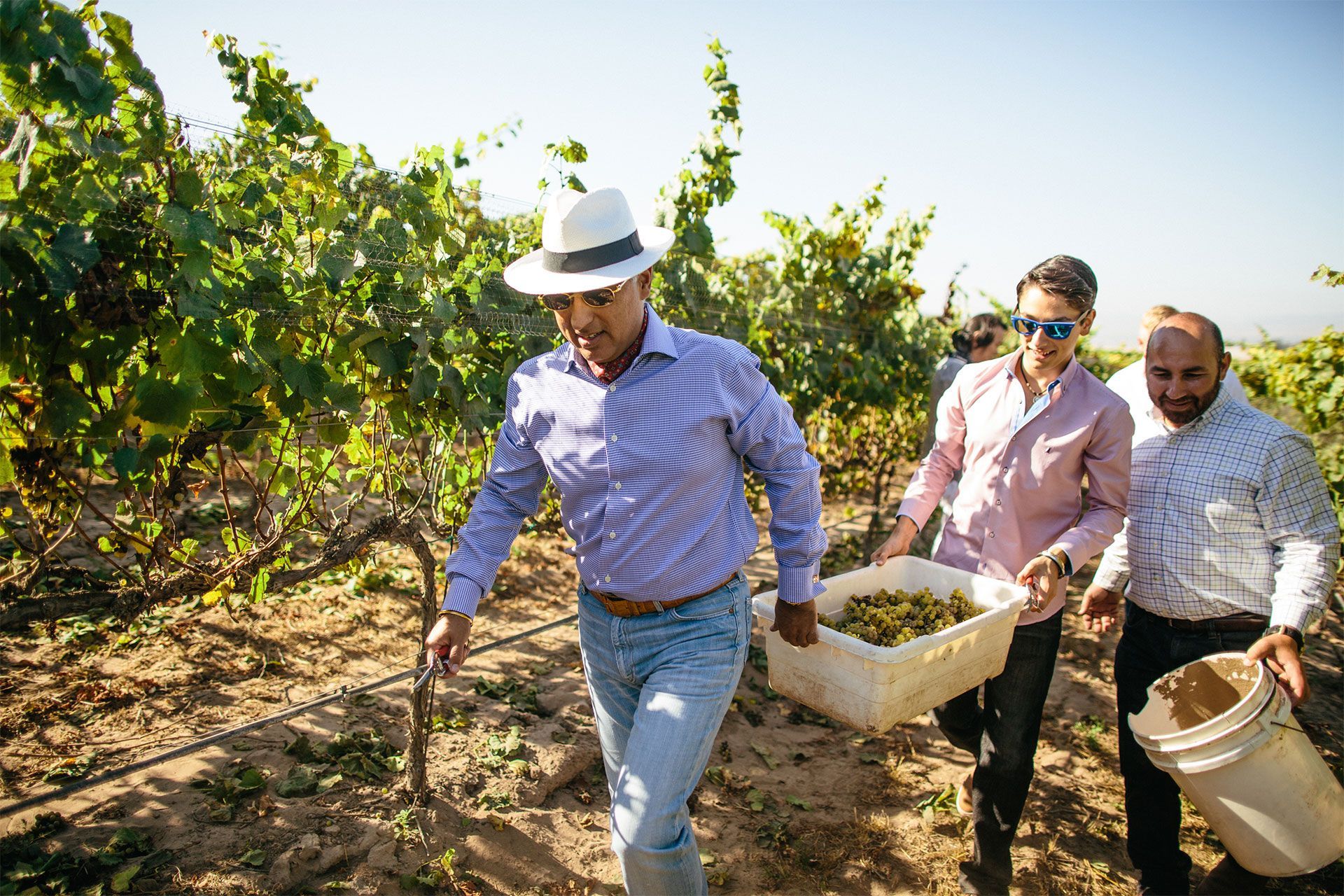
It starts in the soil. Low-sulfite wines typically come from organic or biodynamic vineyards where synthetic pesticides, herbicides, and fertilizers never touch the ground. Healthier vines produce balanced grapes that don't need correction later.
Natural Fermentation
Instead of adding commercial yeast strains engineered in a lab, low-sulfite winemakers let wild, native yeasts—the ones living on grape skins and in the cellar—do the work. It's slower. Less predictable. More complex. Fermentation becomes a conversation between the fruit and the place it grew, not a controlled industrial process. Natural fermentation can also create softer, more integrated tannins that many sensitive drinkers find more approachable.
Extended Aging for Softer Tannins
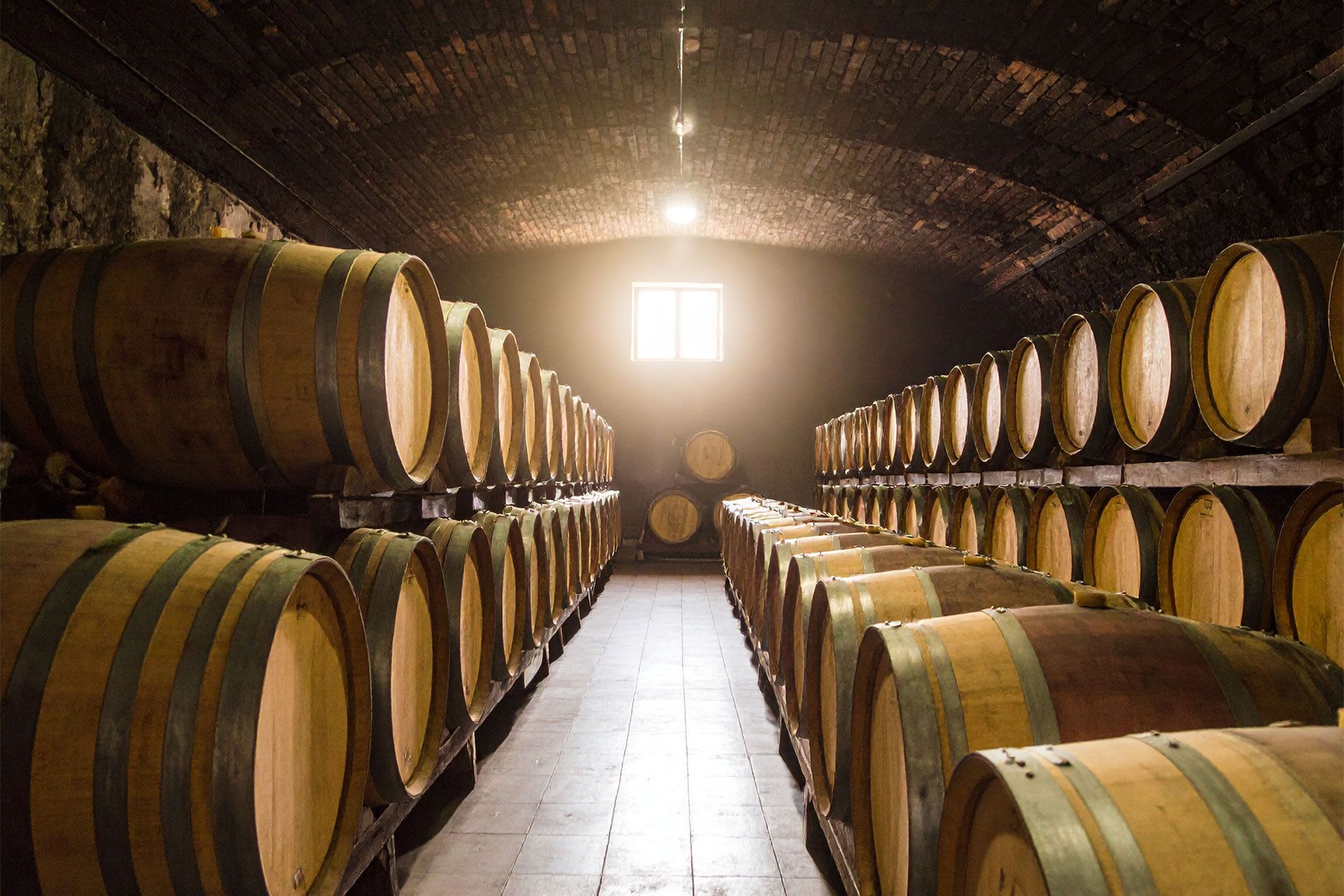
Time does what chemistry can't. During proper aging, tannins—those compounds that create structure and add complexity to red wine—naturally soften and polymerize. This is why aged wines taste smoother and may be gentler for people sensitive to tannins. Most conventional wines are rushed to market within months. Quality low-sulfite wines rest for years, allowing tannins to integrate naturally.
Minimal Intervention
Every place has a voice. The fog that rolls in from the Pacific. The sandy soil that drains fast and forces roots deep. The summer sun that lingers. The cool nights that preserve acidity. We call this terroir—all the things that make a place irreplaceable.
When you add commercial yeasts, enzymes, acid adjustments, and a lineup of corrections, you mask that voice. The wine starts tasting like the winemaker's decisions instead of the land's character. Minimal intervention winemaking means stepping back, asking what this vineyard wants to say, then getting out of the way.
At Ca' del Grevino, we make wine that tastes like the Santa Maria Valley because we don't interfere with what it's trying to tell us.
Common Questions About Low-Sulfite Wine
Do Low-Sulfite Wines Cause Fewer Headaches?
The truth about wine headaches is more complicated than most people think. While sulfites are often blamed, they're just one piece of a much larger puzzle. Research shows that true sulfite sensitivity affects less than 1% of the population—primarily those with asthma—and typically causes respiratory symptoms rather than headaches.
Researchers continue investigating what actually causes wine headaches.
Recent research from UC Davis suggests that a class of organic compounds known as flavanols—naturally occurring antioxidants found in grape skins—may play a role. When metabolized with alcohol, one particular flavanol called quercetin may interfere with the body's ability to process alcohol, potentially triggering headaches in susceptible individuals. However, this research is still ongoing, and the exact mechanisms remain under study.
Here's what many people don't realize: Conventional wines can contain over 60 legal additives, and your body has to process all of them simultaneously.
Common additives in conventional wines include:
- Commercial yeasts and yeast nutrients
- Enzymes for color and flavor extraction
- Mega Purple and other coloring agents
- Oak chips and liquid oak extract
- Added tannin powders
- Acid adjustments (tartaric, malic, or citric acid)
- Sugar additions
- Fining agents (proteins from eggs, fish, or milk)
- Added sulfites
So what actually causes wine headaches? It could be several things working together:
- The cumulative effect of multiple additives
- Naturally occurring compounds like flavanols
- Histamines and tyramine
- Harsh or unintegrated tannins
- Alcohol itself (dehydration and blood vessel dilation)
- Dehydration (the most common and preventable cause)
- Sugar content
The most important thing you can do: Stay hydrated. Drink water before, during, and after enjoying wine. This simple practice prevents most wine-related headaches regardless of what's in the bottle.
Here's where winemaking approach matters: At Ca' del Grevino, we don't add any of those chemicals. Not the commercial yeasts. Not the enzymes. Not the oak chips, acid adjustments, coloring agents, or added tannin powders. And definitely not sulfites.
Our wines are made with just grapes and time. Natural fermentation with wild yeasts. Extended aging—minimum two years—that allows tannins to soften and integrate naturally without chemical shortcuts.
While we can't control naturally occurring compounds like flavanols (they're part of what makes red wine healthy and complex), we ensure our wines don't add to the burden with unnecessary chemicals.
Many customers tell us they notice a significant difference when drinking our wines compared to conventional bottles. Whether it's the absence of added sulfites specifically, or simply the lack of a chemical cocktail to process, honest winemaking creates honest wine—and people feel it.
Why We Make Wine With No Added Sulfites
The decision to make wine with no added sulfites wasn't theoretical for us. It was personal. Randeep, our founder, used to get headaches from wine. Not every time, but often enough that he started avoiding it—which, for someone building a winery, felt like a problem. He began researching what was actually in the bottles he was drinking. The more he learned about the additives and corrections, the clearer it became: he wanted to make wine differently.
So we did. No added sulfites. No commercial yeasts. No enzymes, acid adjustments, or shortcuts. Just grapes, natural fermentation, and time.
The headaches stopped.
We can't say that's universal—everyone's body is different. But our customers tell us, over and over: they notice the difference. They finish a bottle and wake up feeling fine.
At Ca' Del Grevino, we make wine we'd want to drink ourselves. Wine that doesn't come with regrets the next morning. That's not a marketing claim. It's why we started making wine this way in the first place.
How Do You Make Wine Without Added Sulfites?
You start by refusing to take shortcuts.
At Ca' Del Grevino in California's Santa Maria Valley, our vineyards see zero synthetic inputs. No chemical fertilizers. No pesticides. Just soil, sun, and attention that doesn't scale. Healthy vines give us balanced fruit that doesn't need fixing.
In the cellar, we use only natural yeast fermentation—the wild strains that live here and understand this place. Then comes the waiting. Most Grevino wines age for at least two years in a combination of oak and stainless steel before they ever see a bottle. That's far longer than industry standard.
Time does what sulfites try to fake. It allows the wine to stabilize naturally, find its balance, and soften its tannins without chemical intervention.
This is wine made the way it used to be—before the industry decided that faster was better.
Are Low-Sulfite Wines Less Stable?
Only if you don't know what you're doing. Low-sulfite wines demand more. Better fruit. Cleaner cellar practices. Longer aging. Real expertise instead of chemistry. But when made right, these wines don't just survive—they evolve. They age gracefully for decades, developing depth and character that wines propped up by additives never achieve.
We don't rush because quality shouldn't be rushed. Our wines rest at the property for years before release, learning patience in the dark.
The Grevino Approach: Italian Soul Meets California Soil
Our Winemaking Standards
This isn't marketing language. This is how we actually work:
- Organic Farming – Zero synthetic inputs touch our vineyards. We're working toward official organic certification, but the practices are already in place.
- Natural Fermentation – Only wild, native yeasts. No commercial strains. Fermentation happens on its own timeline, creating more complex flavor profiles and softer tannin structures.
- No Added Sulfites – We rely on clean fruit and meticulous cellar work instead of chemical shortcuts.
- Extended Aging – Minimum two years in oak, steel, and bottle before release. This aging naturally softens tannins, integrates flavors, and creates wines that are smoother and more balanced.
- Minimal Intervention – We listen to what the vineyard is trying to say and don't get in the way.
This is wine that carries the story of the land, the year, and the hands that tended it. Wine with no secrets.
Best Low-Sulfite Wine: What to Look For
When searching for the best red wine without sulfites or the best white wine without sulfites, look for these truths:
✓ "No Added Sulfites" on the label – The winemaker chose transparency over convenience
✓ Organic or biodynamic certification – Proof of chemical-free vineyard practices
✓ Natural or wild yeast fermentation – Complexity you can't engineer in a lab
✓ Estate-grown grapes – The winemaker controls every step from soil to bottle
✓ Extended aging – Time means softer, more integrated tannins
✓ Transparency about winemaking practices – Not all details are required on labels. Look for wineries that openly share their process. If a winery is proud of its practices, it'll tell you about them.
The Transparency Problem
Wine labeling laws don't require disclosure of most additives or winemaking practices. A bottle could contain dozens of additions and still have a clean-looking label.
That's why it's worth doing a little research. Visit the winery's website. Read about their process. Wineries making clean, honest wine tend to be vocal about it—because transparency is part of the point.
At Ca' del Grevino, we share everything. Our farming practices. Our fermentation approach. How long we age. What we don't add. We want you to know exactly what's in your glass and how it got there.
Where to Buy Low-Sulfite Wine
Looking for low-sulfite wine near you? You won't find many of these wines in big box stores. Natural, additive-free wines don't scale easily. They're made by small producers who care more about quality than distribution deals.
At Grevino, we sell directly from our Santa Maria Valley estate. Every bottle ships from the place it was made, by the people who made it. We're a family obsessed with doing this right, even when right is harder.
Why Low-Sulfite Wine Matters
The wine industry doesn't want you asking questions about what's actually in that bottle beyond grapes. Over 60 additives are legal in conventional winemaking, and disclosure isn't required.
Low-sulfite, natural wines represent something different. A return to transparency. To wines that taste like the places they're from. To winemaking that respects the vineyard, the wine drinker, and the craft itself.
This isn't a trend. It's a reminder that wine once meant something before industrial shortcuts became the norm.
At Ca' Del Grevino, we make wine we'd serve to the people we love. Clean, thoughtfully crafted, free of everything that doesn't belong. Wine that reflects the California sun that ripened it and the Italian soul that shaped it.
And we'll tell you exactly how we made it. Because you deserve to know.
Explore Our Low-Sulfite Wines
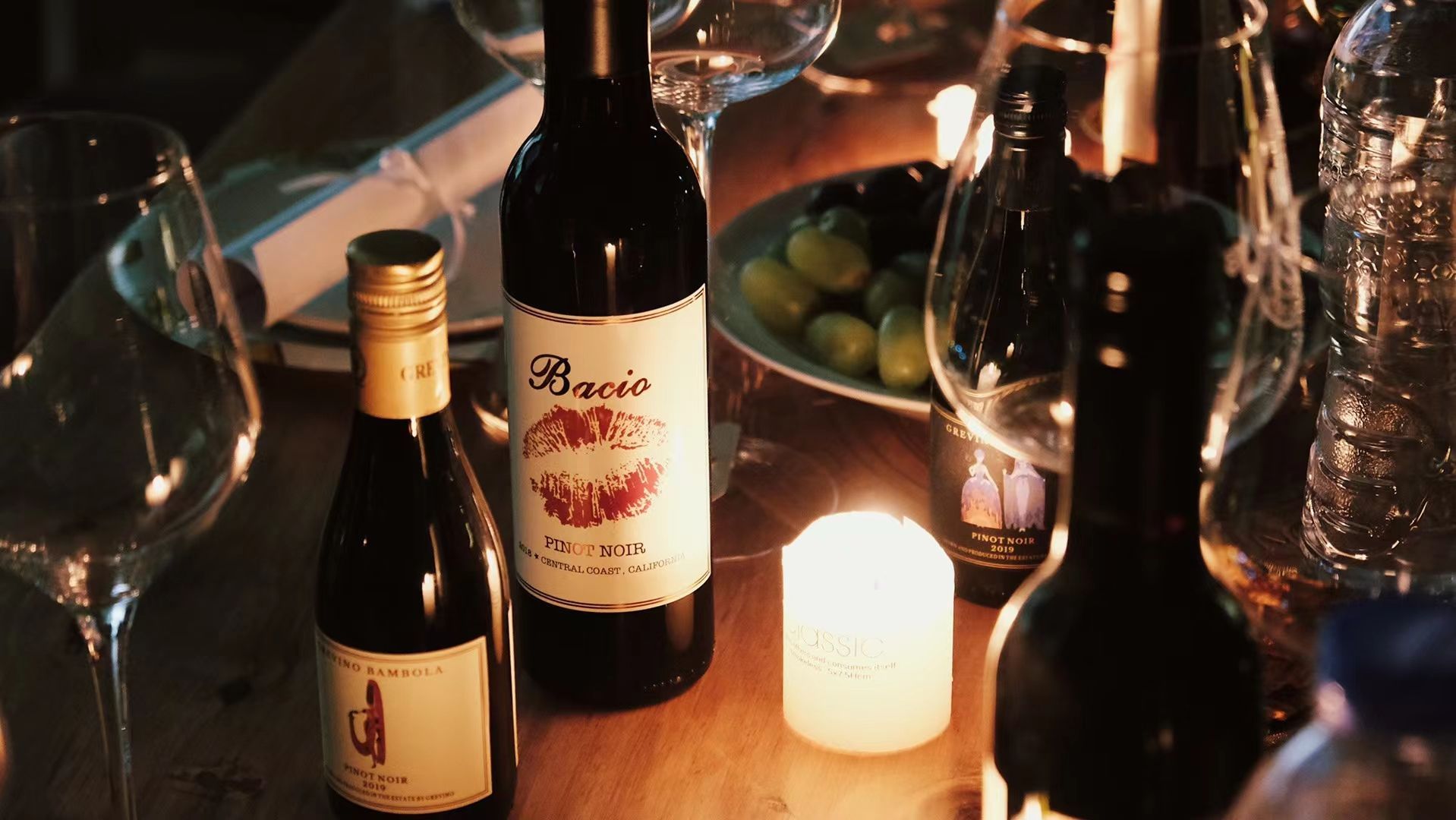
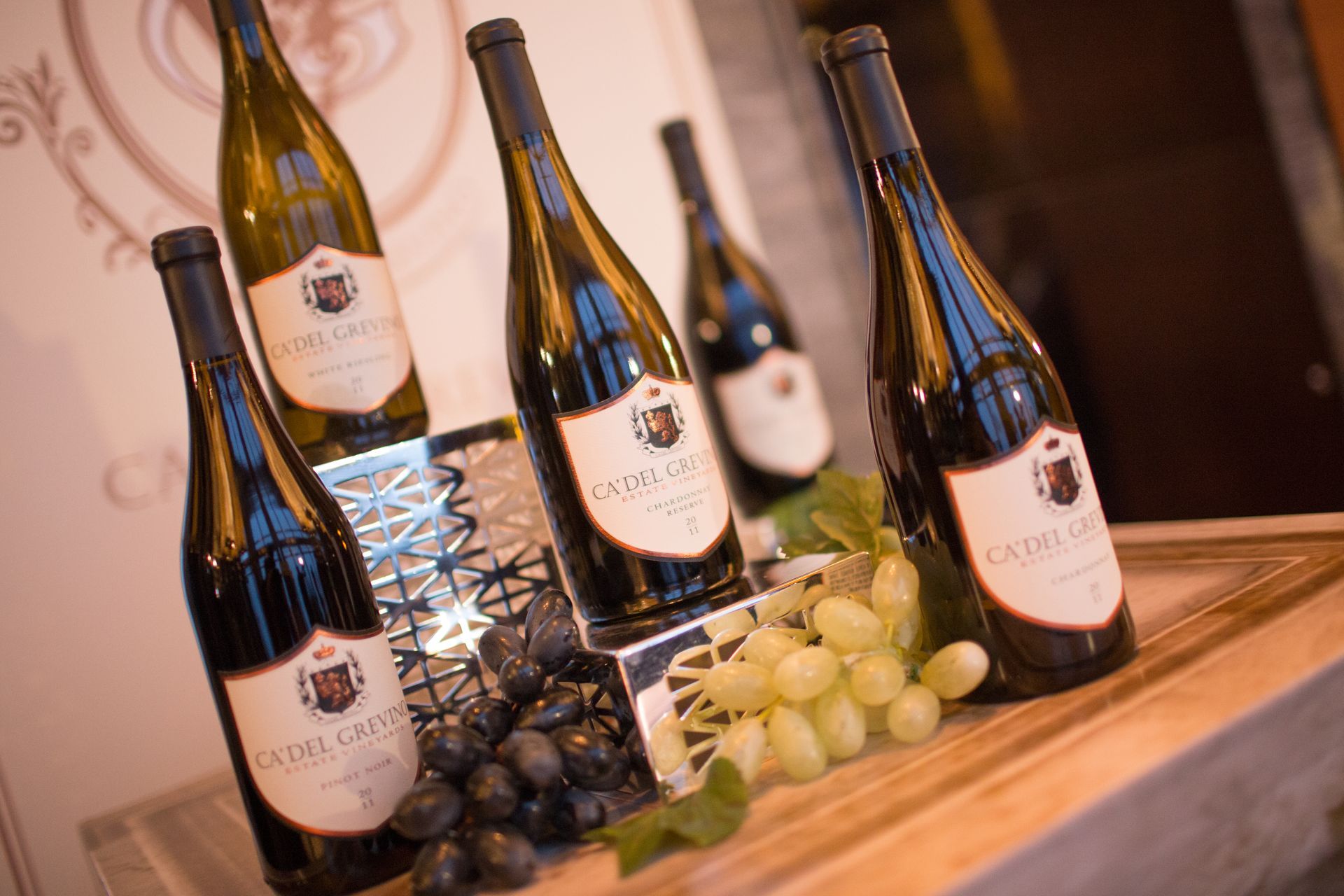
Every Grevino wine is naturally fermented with no added sulfites, organically farmed, and aged for a minimum of two years before it reaches you. From our smooth, food-friendly Dolcetto to our age-worthy Cabernet Sauvignon, these are wines made for people who care what's in their glass—and where it came from.
Want to know more about how we make our wines? Just ask. We're proud to share.